
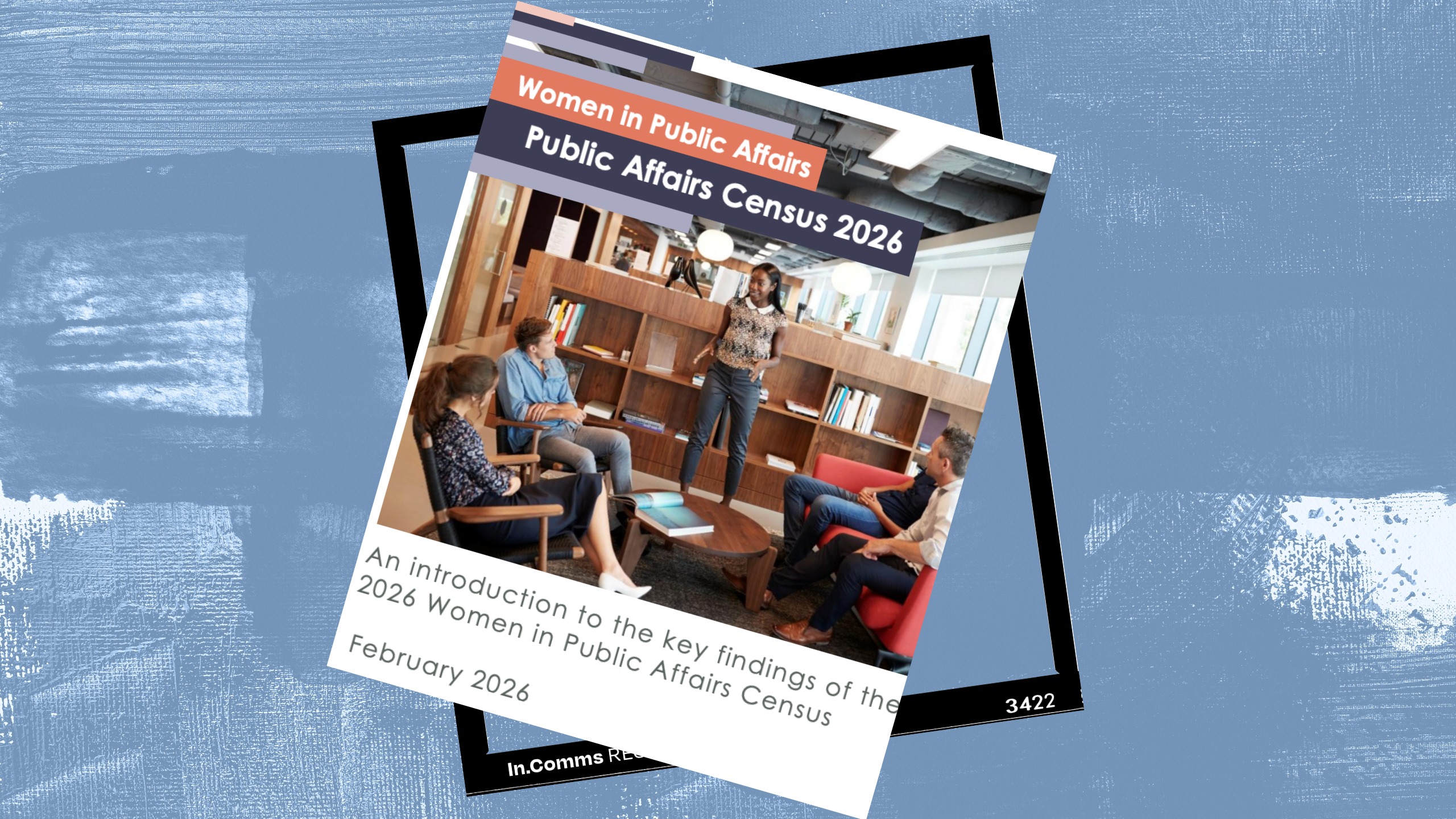
More than half of women (56 per cent) in public affairs believe taking maternity leave has a negative impact on career progression, according to new research from Women in Public Affairs (WiPA).
According to the report, which canvassed WiPA members, deep-seated cultural barriers remain even as formal workplace policies improve.
“While some progress is being made, too many women still feel that taking maternity leave comes at a professional cost. That perception alone should be a wake-up call for employers. It’s positive that enhanced maternity leave is becoming more common, but too many women still don’t know what they’re entitled to, or even whether enhanced support exists where they work,” said Lucy Warren, WiPA co-chair.
While 55 per cent of respondents said their organisation offers enhanced maternity benefits beyond the statutory minimum, more than a quarter (27 per cent) of women were unsure whether enhanced maternity leave existed at their organisation. Meanwhile 14 per cent reported that only statutory provision was available.
“If policies aren’t clear, visible and easy to use, they simply won’t deliver the retention and progression employers are hoping for,” stated Warren. “We welcome the incoming Employment Rights Act changes, including the introduction of day-one rights to paternity and unpaid parental leave. Normalising parental leave for everyone is essential if women are going to thrive and progress in public affairs.”
The research also suggests that parental leave remains heavily gendered. More than half of women (54 per cent) do not know how many weeks of paid paternity leave their organisation provides.
The report stated that this points to a “continued lack of visibility and normalisation of shared parenting”.
“Where paternity leave exists but is poorly communicated or culturally discouraged, women are more likely to shoulder both the practical and professional burden of parental leave planning alone, reinforcing inequality at work,” it continued.
Furthermore, just 42 per cent of women feel optimistic about progression opportunities over the next five years, down from 52 per cent last year.
This raises clear concerns around morale, retention and the future pipeline of female leadership in the industry.
The report concludes that the findings underline the “need for employers to proactively communicate parental leave policies, ensure paternity provision is clear and accessible, and actively support uptake to drive genuine cultural change”.
Janette Aquilina, head of campaigns at WiPA, said: “Parental leave policies only work if employees understand them and feel confident using them. These findings show that employers play a critical role in making parental leave clear, normalised and genuinely supported, otherwise inequality becomes embedded in workplace culture. This data will shape WiPA’s campaigning work in 2026.”